


Where Your Energy Comes From
From Power Plant to Your Home
Energy doesn’t just arrive at the flip of a switch—it’s generated, transmitted, and delivered through a complex system. Learn about how energy is produced, the sources used to generate it, and what you can do at home to use it more efficiently and cut costs.
Note: Please review intro copy.
Electricity is generated at power plants using a variety of energy sources including nuclear, natural gas, coal, solar, wind, and hydropower. In Maryland, electricity comes from a mix of in-state generation and electricity imported from neighboring states through the regional grid. Maryland produces only about 60% of the electricity it uses, with the rest imported from out of state. Relying on external sources leaves the state vulnerable to price spikes and supply disruptions, which is why expanding local clean energy generation is a priority.
Once generated, electricity travels through high-voltage transmission lines across long distances to reach population centers. High voltage is used for long-distance transmission because it reduces energy losses along the way. Maryland’s transmission system is part of the PJM Interconnection, a regional transmission organization that coordinates the movement of wholesale electricity in all or parts of 13 states and the District of Columbia. PJM manages the reliability of the high-voltage electric power system serving about 65 million people.
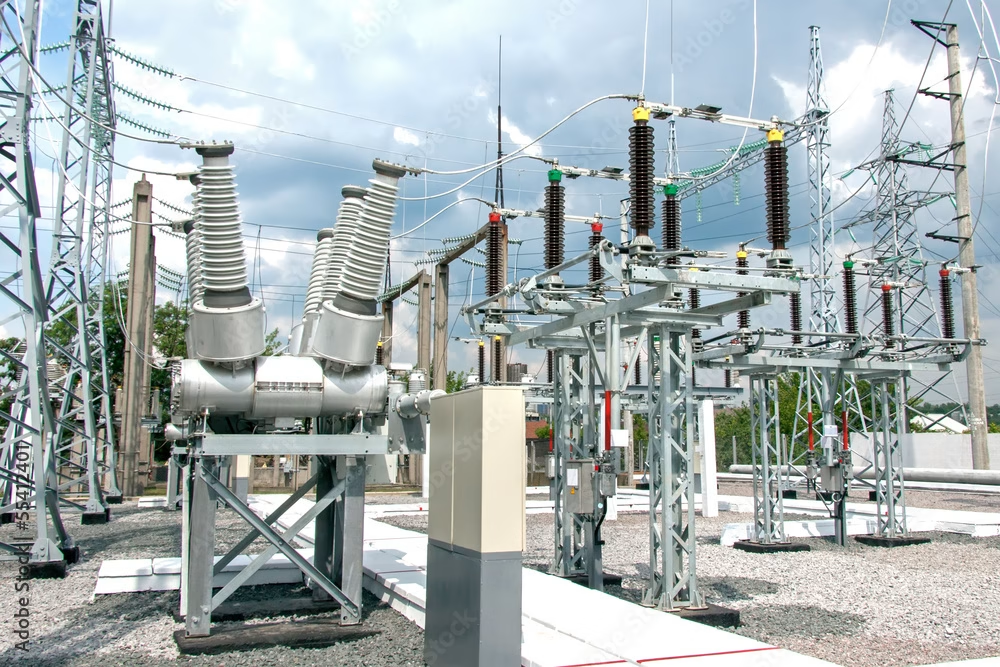
Distribution is the low-voltage, local delivery of power. Electricity from high-voltage transmission lines goes through a substation where the voltage is lowered, and then delivered to your community through distribution lines — ready to use when you turn on your lights or charge your EV. In Maryland, electricity is distributed by local electric utilities including BGE, Pepco, Delmarva Power, Potomac Edison, and SMECO.
The cost of electricity fluctuates based on supply and demand, the fuel mix used to generate power, and market conditions within the PJM grid. During periods of high demand — such as hot summer afternoons — prices can spike significantly. Understanding these dynamics helps explain why time-of-use pricing exists and why shifting energy use to off-peak hours can save money.
As more solar and wind generation is added to the grid, managing supply and demand becomes more complex because these sources produce electricity only when the sun shines or wind blows. Energy storage, demand response programs, and grid modernization are key tools for integrating renewable energy reliably. Every household that reduces energy use during peak times helps balance the grid and supports the integration of more clean energy.
Want to Learn About Maryland's Energy Sources?
Body: Explore the different types of energy that power Maryland homes and communities.