


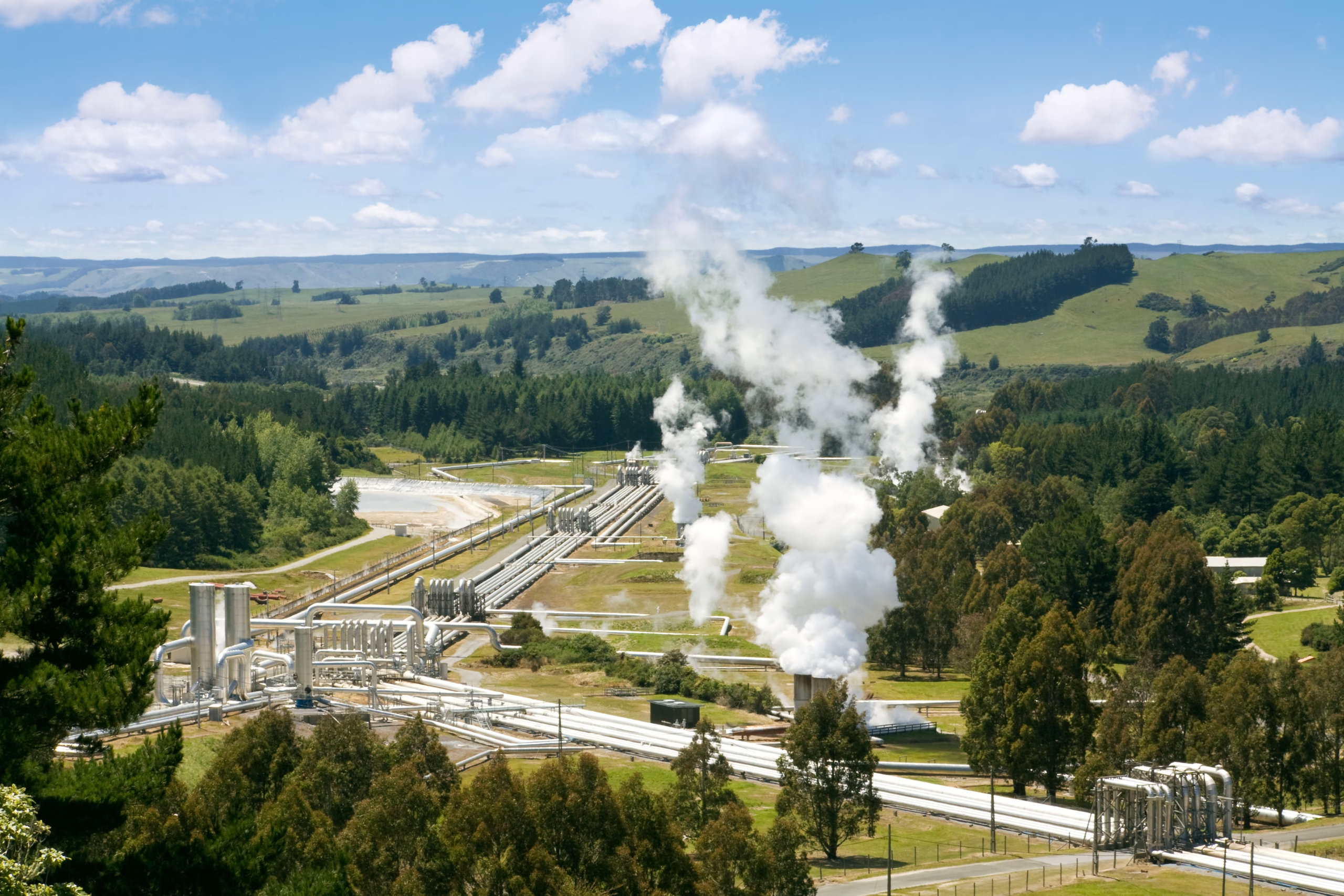
Geothermal Energy
What is it?
Geothermal energy taps into the constant, naturally occurring thermal energy beneath the Earth’s surface to deliver highly efficient heating and cooling for residential, commercial, and community buildings. By using the subsurface ground temperature, which remains a stable 40°F to 70°F year-round, geothermal heat pumps transfer heat into buildings during the winter and draw excess heat out during the summer.
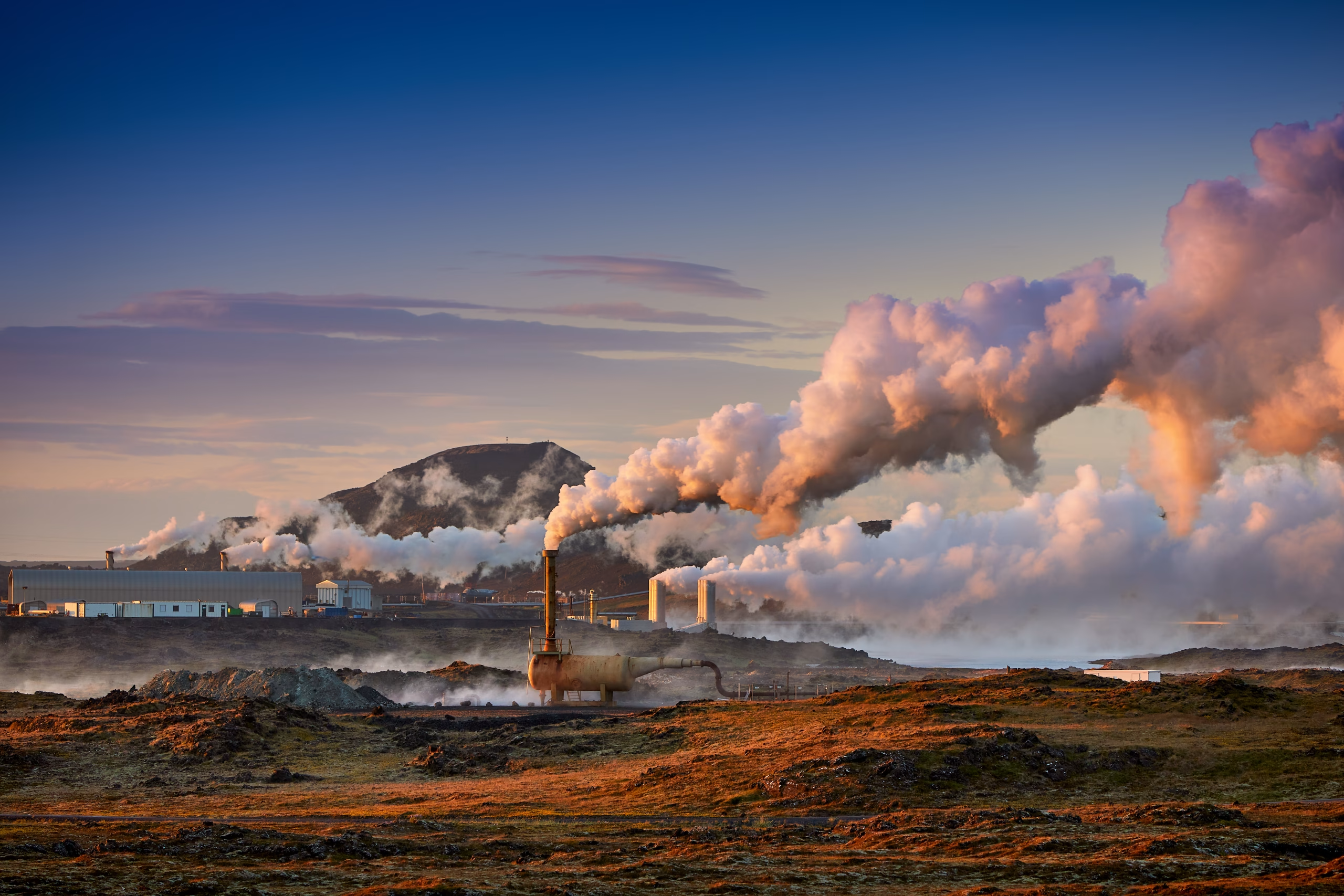
Generation & Environmental Impact
Unlike traditional HVAC units, geothermal heat pumps do not rely on fossil fuel combustion. Instead, they circulate fluid through underground pipe loops to use the Earth as a natural heat source in cold months and a heat sink in warmer months.
- Clean: Operates as a zero-emissions, low-carbon heating and cooling alternative.
- Reliable: Delivers continuous energy efficiency 24/7/365, unaffected by weather conditions, time of day, or extreme outdoor temperatures.
- Efficient: Operates with exceptional energy performance, reducing energy consumption by up to 44% compared to air-source heat pumps and up to 72% compared to standard air-conditioning systems.
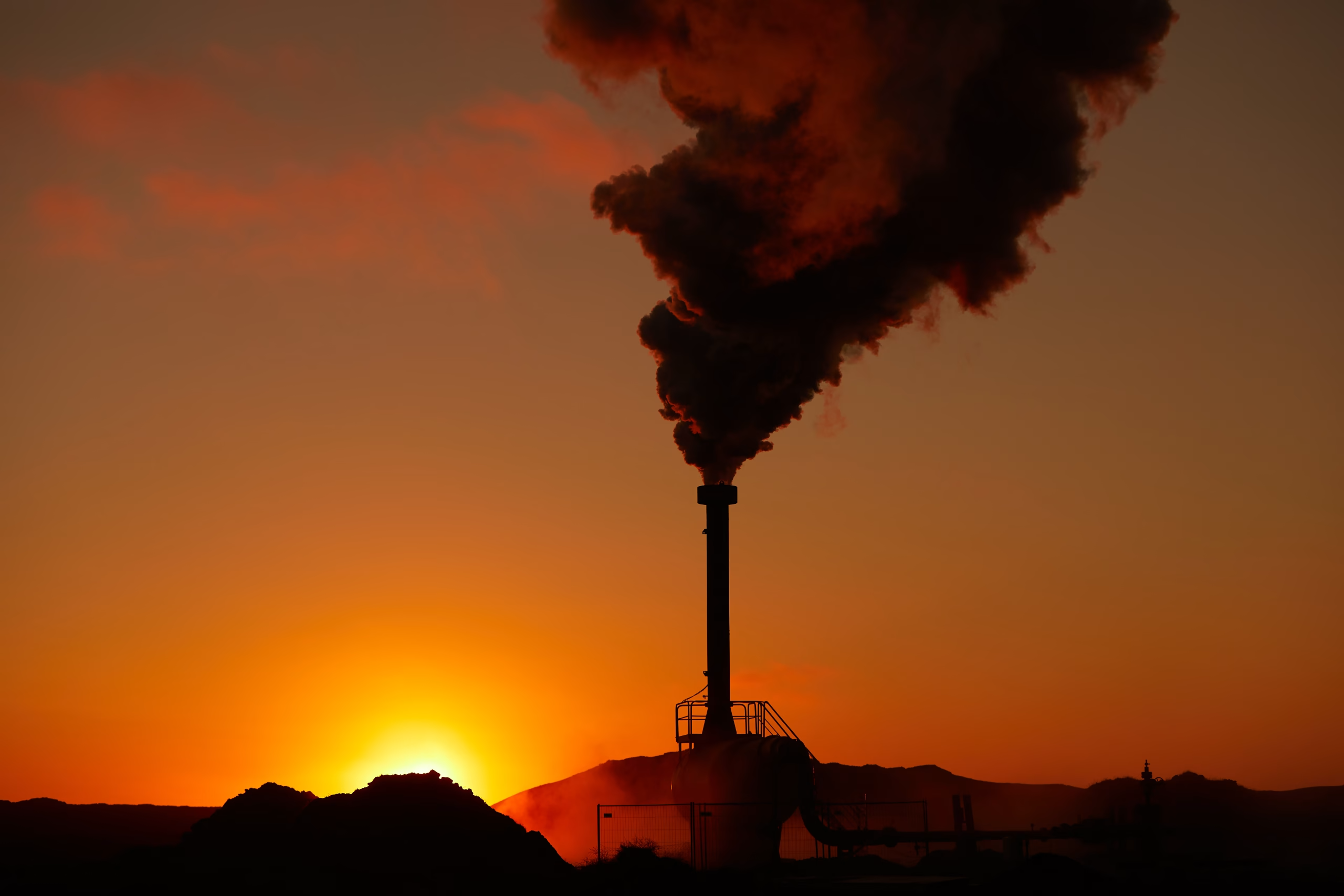
Fitting Into the Energy Mix
Maryland’s regional geology does not support utility-scale geothermal electricity generation, but geothermal heat pump systems play a crucial role in lowering statewide building emissions and reducing grid demand. Even though installation costs for ground-source loops are higher upfront than conventional systems, energy bill savings allow property owners to recoup costs quickly, making geothermal a key decarbonization strategy for Maryland.