Quick Savings Tips
Small Changes That Add Up
Lowering your energy bill doesn’t always require an investment. Many of the most effective ways to reduce your monthly costs are simple habit changes that cost nothing at all. The tips below are organized by category to help you find the easiest wins for your home and lifestyle.
Heating and cooling account for the largest share of most home energy bills, so even small adjustments can make a noticeable difference.
- Set your thermostat to 68°F when you’re home in winter and lower it when you’re asleep or away. Each degree of reduction can save up to 3% on your heating bill.
In summer, set your thermostat to 78°F when you’re home and higher when you’re away. - Use ceiling fans to feel cooler without lowering the thermostat. Remember to reverse fan direction in winter to circulate warm air.
- Replace HVAC filters regularly. A clogged filter makes your system work harder and use more energy.
- Close vents and doors in unused rooms to avoid heating or cooling space unnecessarily.
Appliances and electronics are responsible for a significant portion of home energy use, and many continue drawing power even when not actively in use.
- Unplug chargers, televisions, and small appliances when not in use. These “phantom loads” can account for up to 10% of your electricity bill.
- Run your dishwasher and washing machine with full loads only, and use cold water for laundry whenever possible.
- Use the air-dry setting on your dishwasher rather than the heated dry cycle.
- When replacing appliances, look for the ENERGY STAR label, which indicates the product meets energy efficiency standards set by the U.S. Environmental Protection Agency.
Water heating is one of the largest energy expenses in most homes, typically accounting for around 18% of total energy use.
- Set your water heater temperature to 120°F. Higher settings increase energy use and the risk of scalding.
- Take shorter showers. Reducing shower time by just two minutes can save several gallons of hot water per day.
- Fix leaky faucets promptly. A dripping hot water faucet wastes both water and the energy used to heat it.
- Insulate your hot water pipes to reduce heat loss between the heater and your faucets.
Note: link to new Home Efficiency parent page.
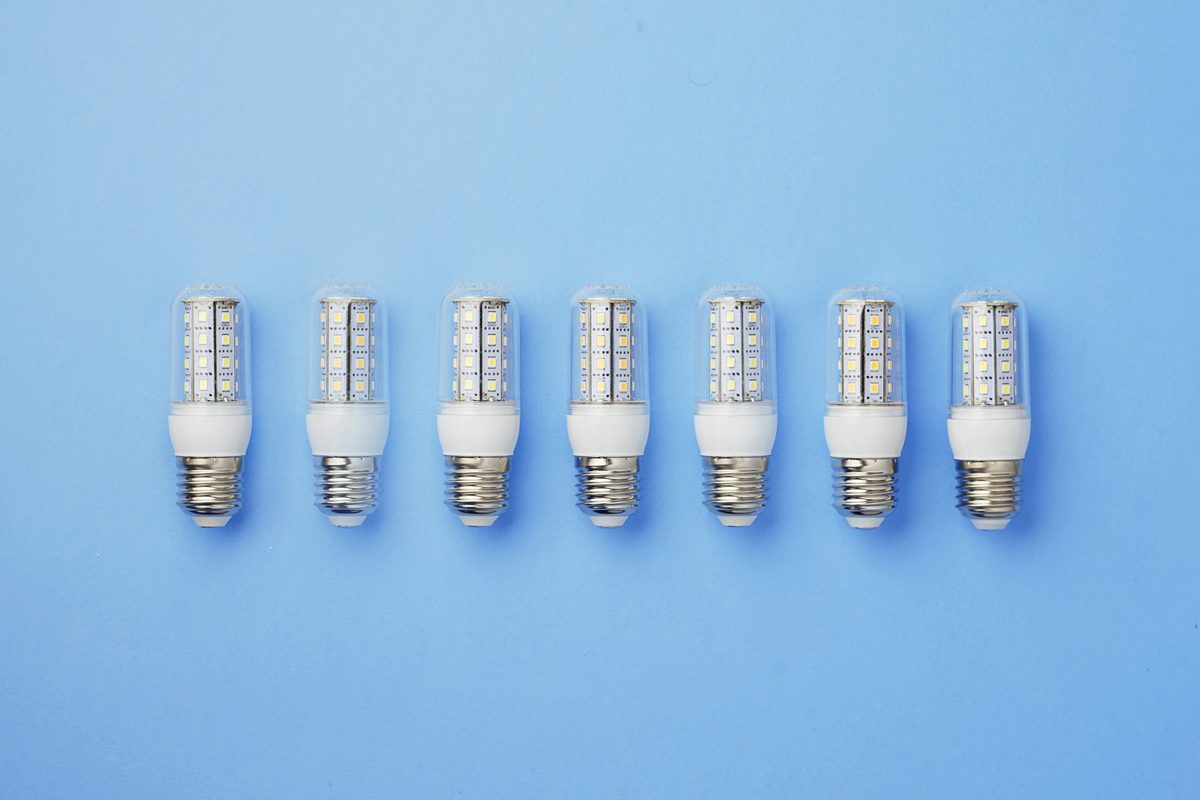
Lighting is one of the easiest areas to address because the solutions are inexpensive, immediate, and require no special skills.
- Switch to LED bulbs throughout your home if you haven’t already. LEDs use up to 90% less energy than traditional incandescent bulbs and last significantly longer.
- Turn off lights when leaving a room. It is a simple habit that compounds over time.
- Use natural light during the day where possible by opening blinds and shades on south-facing windows.
- Consider installing dimmer switches or motion sensors in rooms that are frequently left lit unnecessarily.
The kitchen is one of the most energy-intensive rooms in the home, but a few simple adjustments can reduce its impact on your bill.
- Cover pots and pans while cooking to retain heat and reduce cooking time.
- Match the size of your pot to the size of your burner. Using a small pot on a large burner wastes energy.
- Use a microwave or toaster oven for small meals rather than a full-size oven when possible.
- Allow hot food to cool before placing it in the refrigerator to reduce the energy needed to maintain the set temperature.
- Keep your refrigerator coils clean and ensure door seals are tight to maintain efficiency.