


Heat Pumps
Efficient Heating and Cooling in One System
Heat pumps transfer heat rather than generating it, making them one of the most energy-efficient options available for both heating and cooling. In Maryland, newer air-source heat pump technology works effectively as a primary heating source even in cold temperatures. Maryland offers rebates and financing to help make the switch affordable.
Heat pumps transfer heat between the indoors and outdoors rather than burning fuel to generate heat. In winter, they extract heat from outside air or the ground and move it indoors. In summer, they reverse the process, acting as an air conditioner. Because they move heat rather than create it, they can deliver more energy than they consume, making them highly efficient.
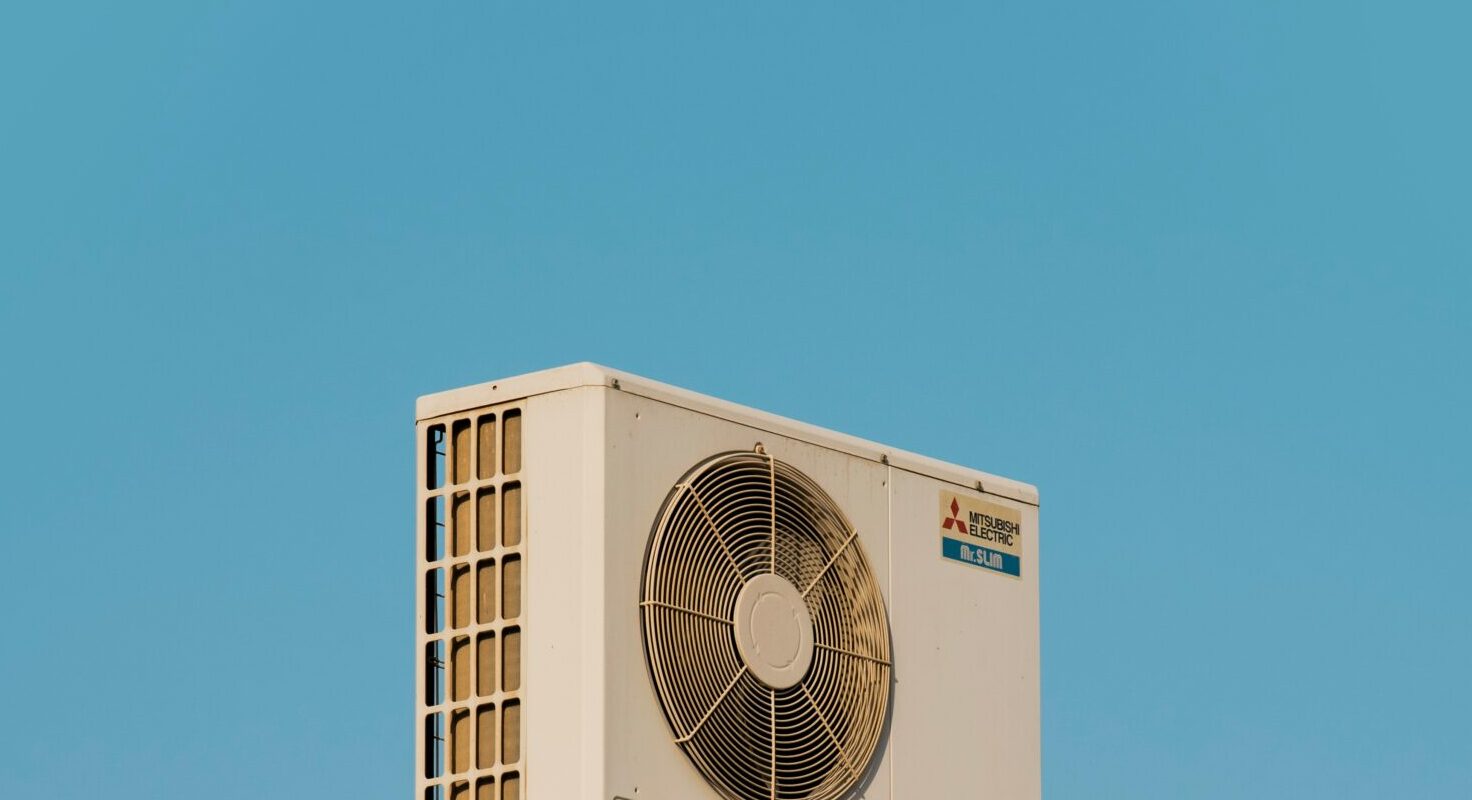
Air-source heat pumps extract heat from outside air, even in cold temperatures. Modern air-source heat pumps work effectively as a primary heating source in Maryland winters, performing efficiently down to 5 degrees Fahrenheit in newer models. They provide both heating and cooling, replacing the need for a separate furnace and air conditioner.
Advantages: Energy efficient, versatile for year-round use, lowers greenhouse gas emissions.
Considerations: Higher upfront cost than traditional systems, though energy bill savings offset this over time. Requires professional installation.
Ground-source geothermal heat pumps use the earth’s constant stable temperature to heat and cool your home. Pipes buried in the ground exchange heat with the earth, providing even greater efficiency than air-source systems. Geothermal heat pumps can reach efficiency ratings of up to 400%.
Advantages: Significant energy savings, long lifespan with minimal maintenance, reduces reliance on fossil fuels.
Considerations: Higher initial installation cost. The heat pump unit costs approximately $2,500 per ton, with a typical home needing a 3-to-4-ton unit. The ground loop can run from $10,000 to $30,000 depending on type and site conditions. Space is required for the ground loop system, though vertical wells are an option for smaller properties.
The right heating and cooling choice depends on your home’s size, existing infrastructure, and budget. A professional energy audit or HVAC contractor assessment is the appropriate next step before making a decision. Key factors to consider include whether your home already has ductwork, your current heating fuel type, your home’s insulation levels, and your budget for upfront installation costs versus long-term operating savings.
Maryland offers meaningful financial help for heat pump installation. EmPOWER Maryland offers rebates for high-efficiency heat pumps through your utility company. The Maryland Energy Administration offers a Geothermal Rebate Program for residents installing geothermal systems. Federal tax credits are available for qualifying heat pump installations under the Inflation Reduction Act. The CEA Loan Program offers 0% APR financing for the first 24 months on qualifying heat pump upgrades.
Ready to Explore Heat Pump Options?
Find the rebates, tax credits, and financing available to Maryland residents for heat pump installation.