


Coal
What is it?
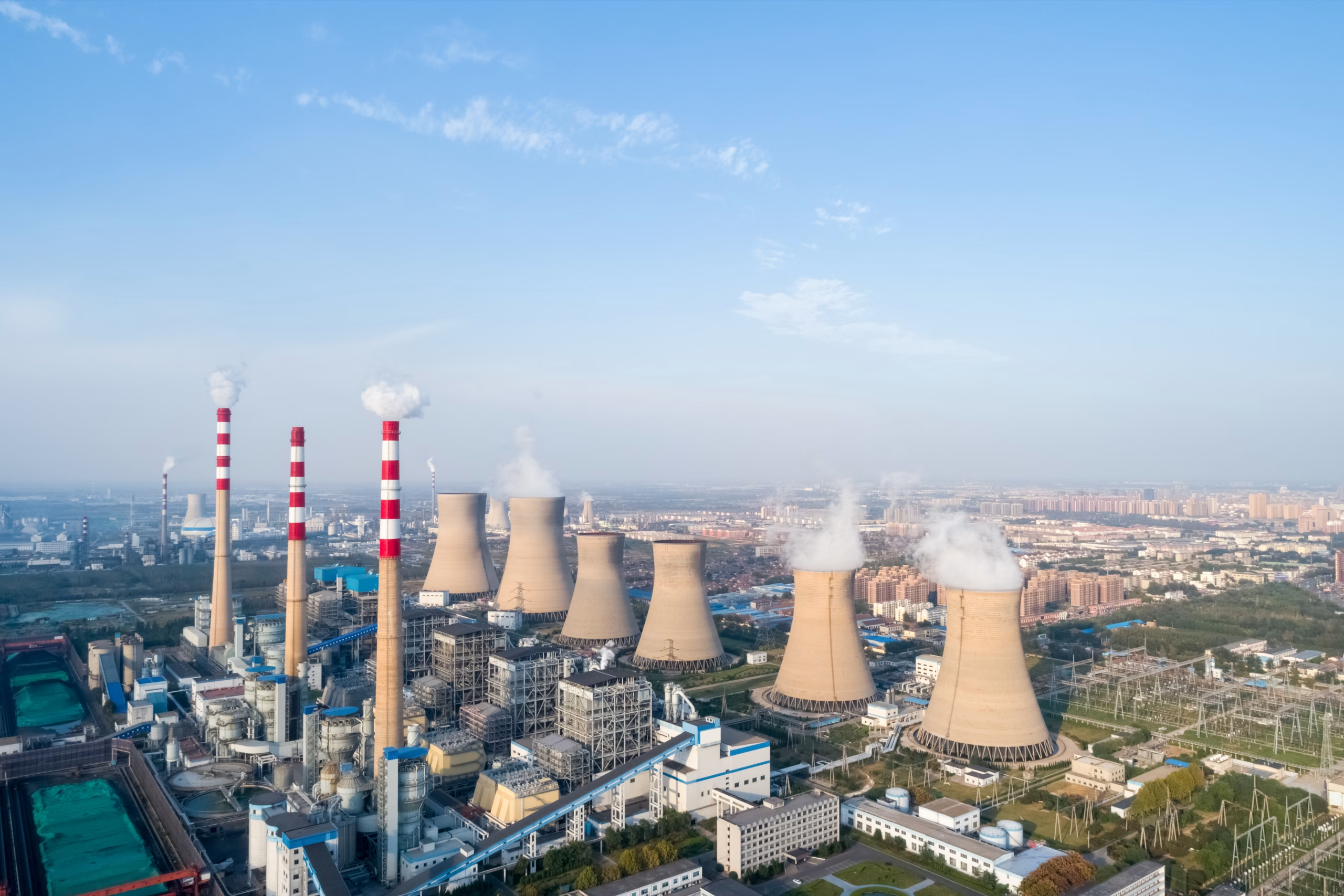
Coal is a fossil fuel formed from ancient plant material exposed to heat and pressure over millions of years. It has long been used to generate electricity, but its role in Maryland has declined significantly as coal-fired generation has decreased, and the state has shifted toward other energy sources.
Generation & Environmental Impact
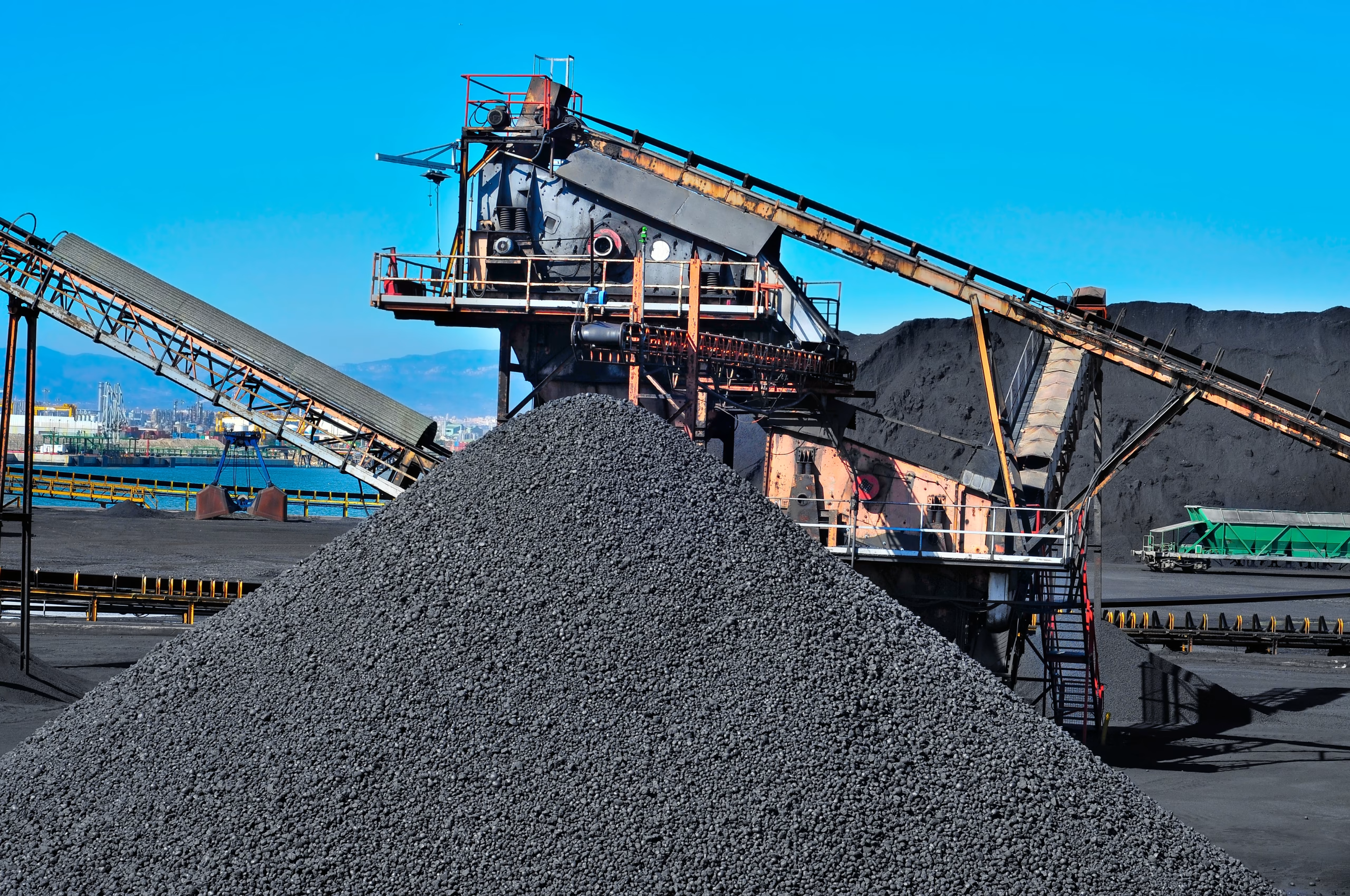
Coal is extracted from surface or underground mines and burned at power plants to heat water, creating steam that spins turbines connected to generators. The process produces significant greenhouse gas emissions, air pollution, and solid waste.
- High Emissions: Burning coal releases large amounts of carbon dioxide along with sulfur dioxide, nitrogen oxides, particulate matter, and mercury.
- Coal Ash: Combustion produces coal ash, a solid waste that can contain contaminants and requires careful management, storage, and disposal.
- Land & Water: Coal mining can disturb land and habitats, while runoff and waste from mining and power generation can affect nearby waterways and groundwater. MDE reports that more than one-third of the nitrogen pollution entering the Chesapeake Bay originates from air pollution.
Fitting Into the Energy Mix
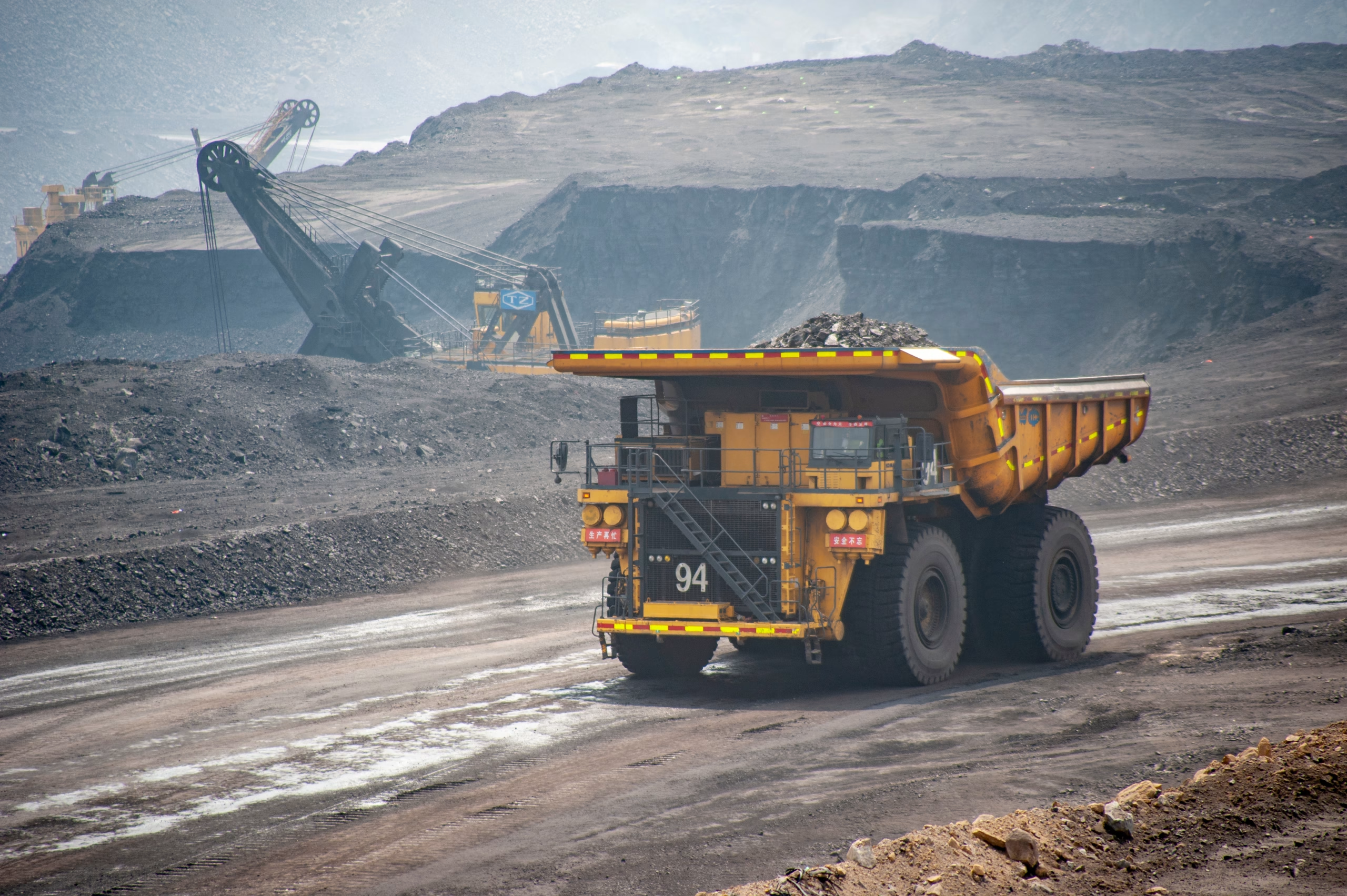
Once a major source of electricity in Maryland, coal now plays a much smaller role in the state’s energy mix than it once did. Maryland coal is extracted from both surface and underground mines in Allegany and Garrett counties. The state only has one utility-scale coal-fired power plant, located in Pasadena. As Maryland continues transitioning toward cleaner sources of energy, coal is expected to play an increasingly limited role in the state’s energy supply.