


Hydropower
What is it?
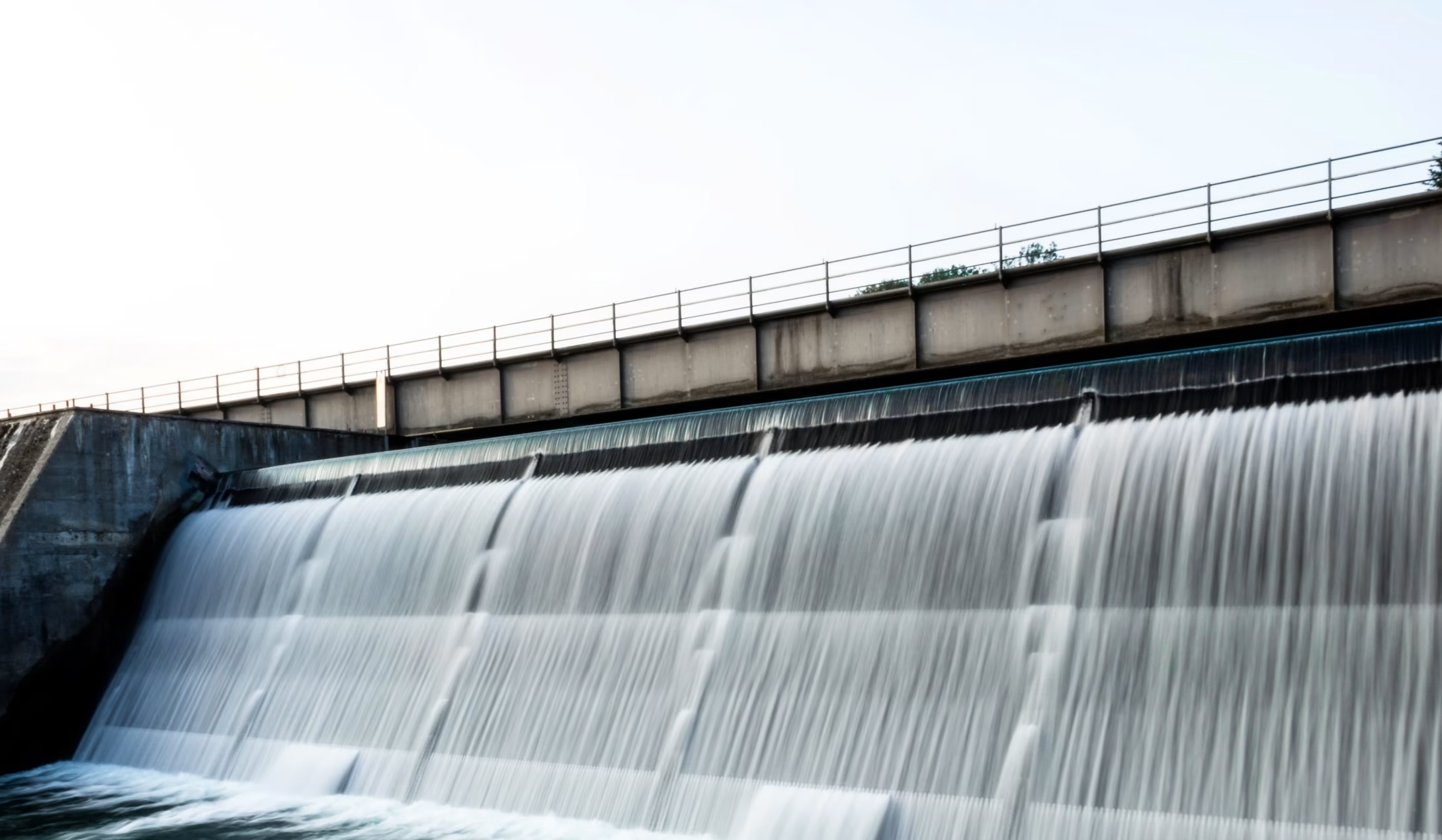
Hydropower harnesses the natural force of falling or flowing water to spin turbines, producing clean, zero-emission electricity. In Maryland, hydroelectric power has provided a foundation for the state’s energy infrastructure for nearly a century, offering a dependable, utility-scale source of clean energy to the regional power grid.
Generation & Environmental Impact
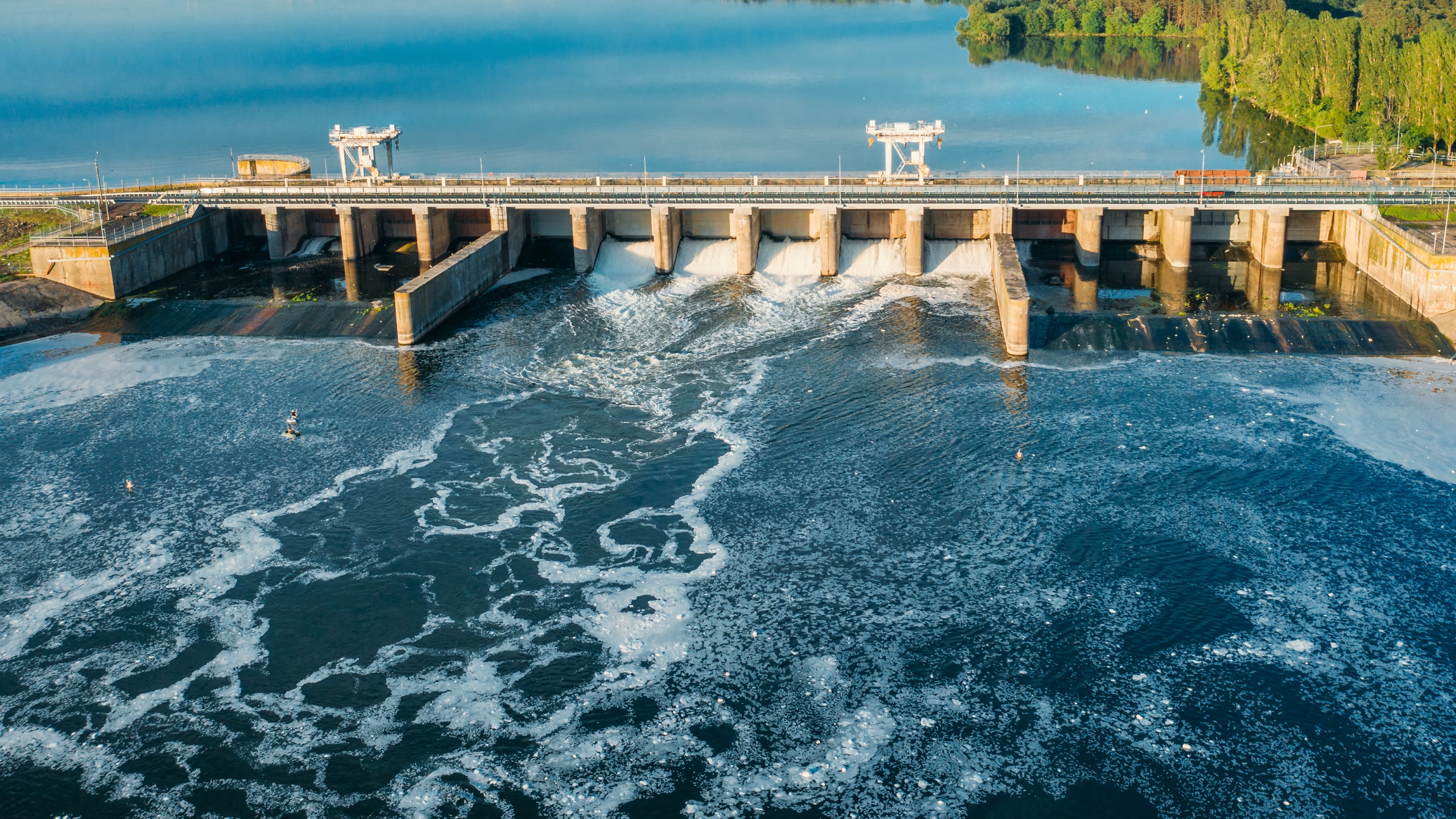
Hydroelectric facilities generate electricity without burning fossil fuels by directing moving water through intake channels to turn heavy turbines, which power electric generators.
- Clean: Generates pollution-free electricity, preventing 867,000 metric tons of greenhouse gas emissions annually, the equivalent of removing 186,000 cars from the road.
- Reliable: Provides consistent baseload power that stabilizes the grid.
- Bay Protection: It helps support local ecosystems, protect the Chesapeake Bay watershed, boosts economic activity, and provides public recreational opportunities.
Fitting Into the Energy Mix
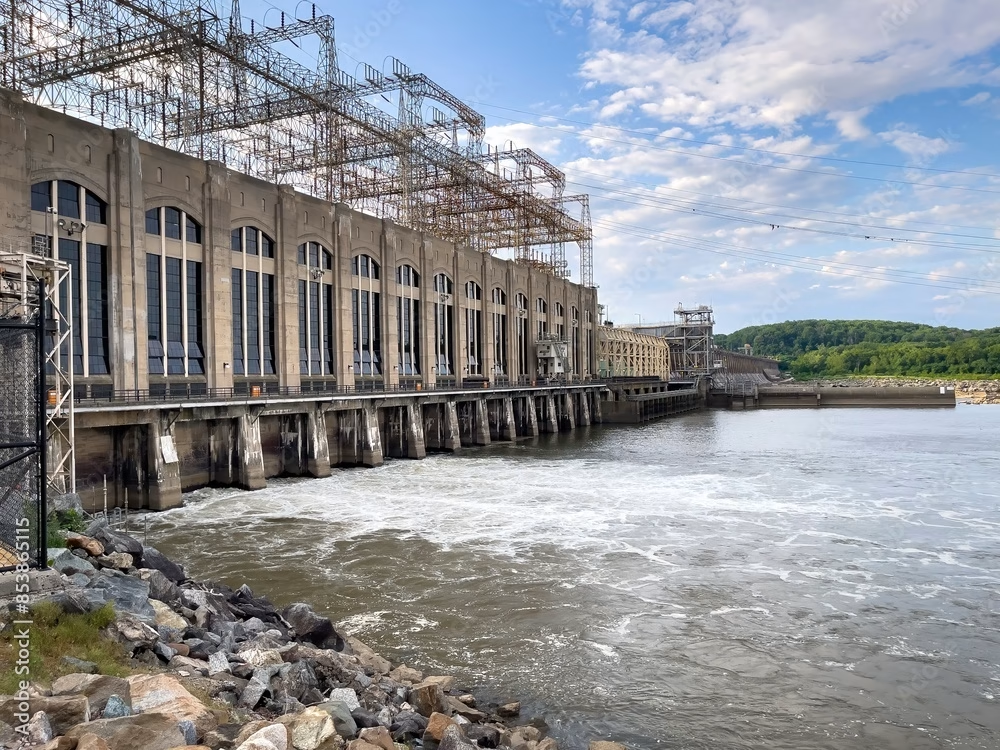
Hydropower is a cornerstone of Maryland’s renewable energy portfolio. The state’s hydroelectric capacity is anchored by the Conowingo Dam on the lower Susquehanna River. Operated by Constellation since 1928, Conowingo remains Maryland’s largest single source of renewable energy. With 11 turbines generating up to 572 megawatts (MW) of electricity (enough to power roughly 165,000 homes) Conowingo produces more renewable electricity than all other Maryland renewable energy sources combined, making hydropower vital to achieving the state’s long-term climate targets.