


Natural Gas
What is it?
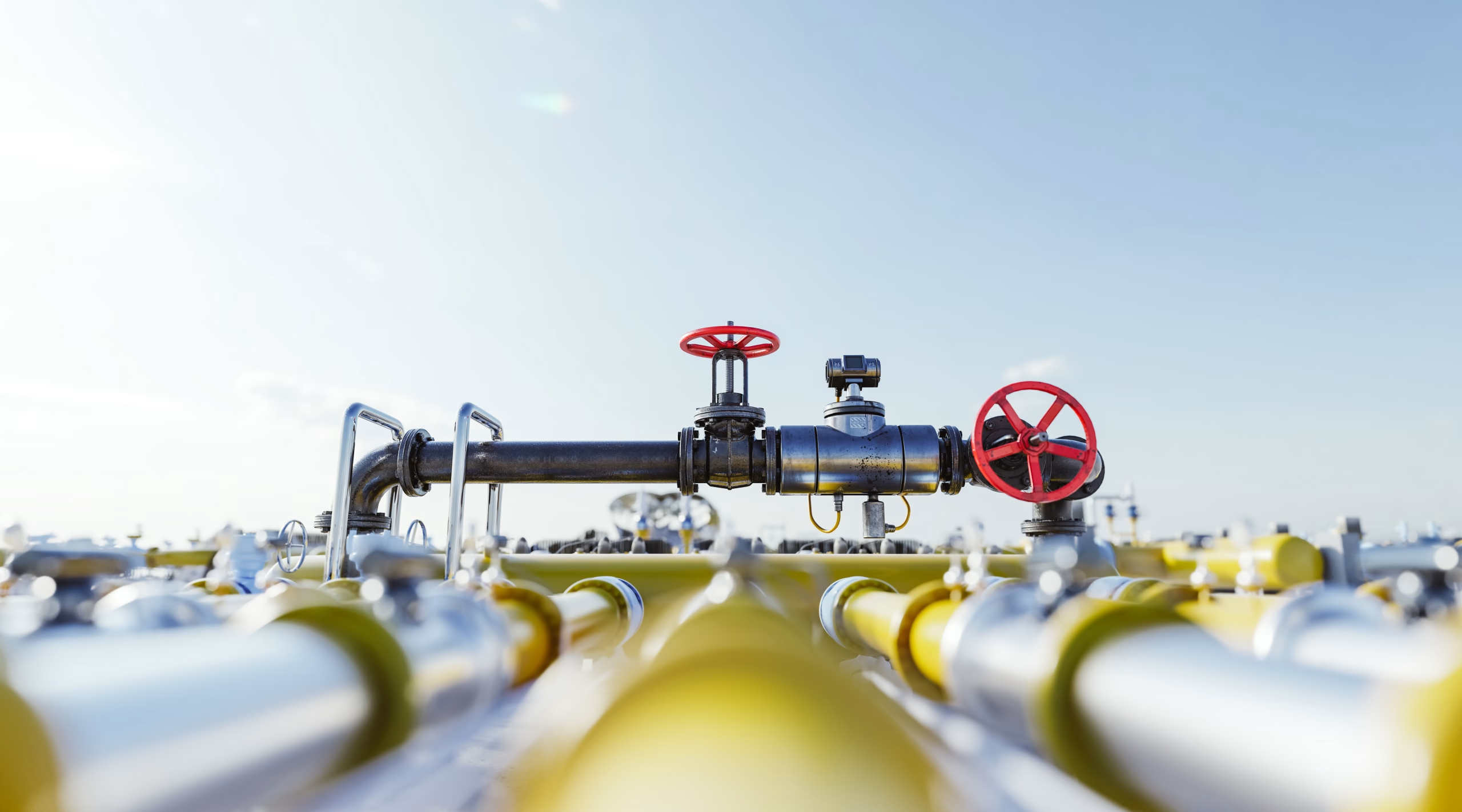
Natural gas is a fossil fuel composed primarily of methane that forms underground over millions of years. It is used to generate electricity and provide heating and energy for homes, businesses, and industries. In Maryland, natural gas has grown into one of the state’s largest electricity sources as coal-fired generation has declined.
Generation & Environmental Impact
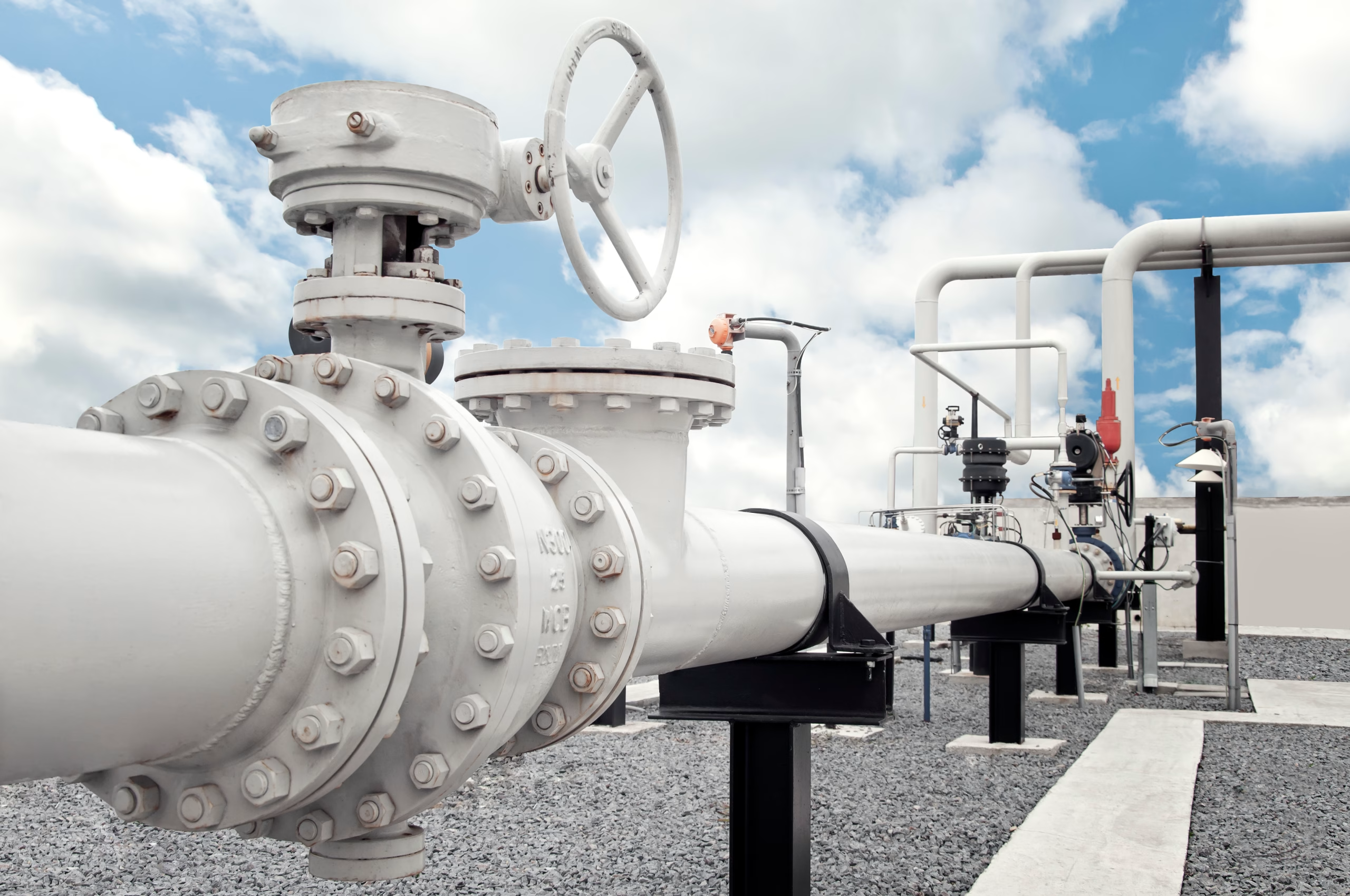
Extracted from underground rock formation, natural gas is processed to remove impurities and is transported through pipelines before being burned to provide heat or generate electricity.
- Fossil Fuel Emissions: Buring natural gas releases carbon dioxide and nitrogen oxides, contributing to climate change and air pollution.
- Methane Leakage: Methane can escape during production, processing, transportation, and storage. In 2020, leaks from Maryland’s natural gas infrastructure produced an estimated 3.1 million metric tons of CO₂e emissions.
- Extraction Impacts: natural gas production, including hydraulic fracturing, can affect water resources, land, wildlife habitats, and surrounding communities.
Fitting Into the Energy Mix
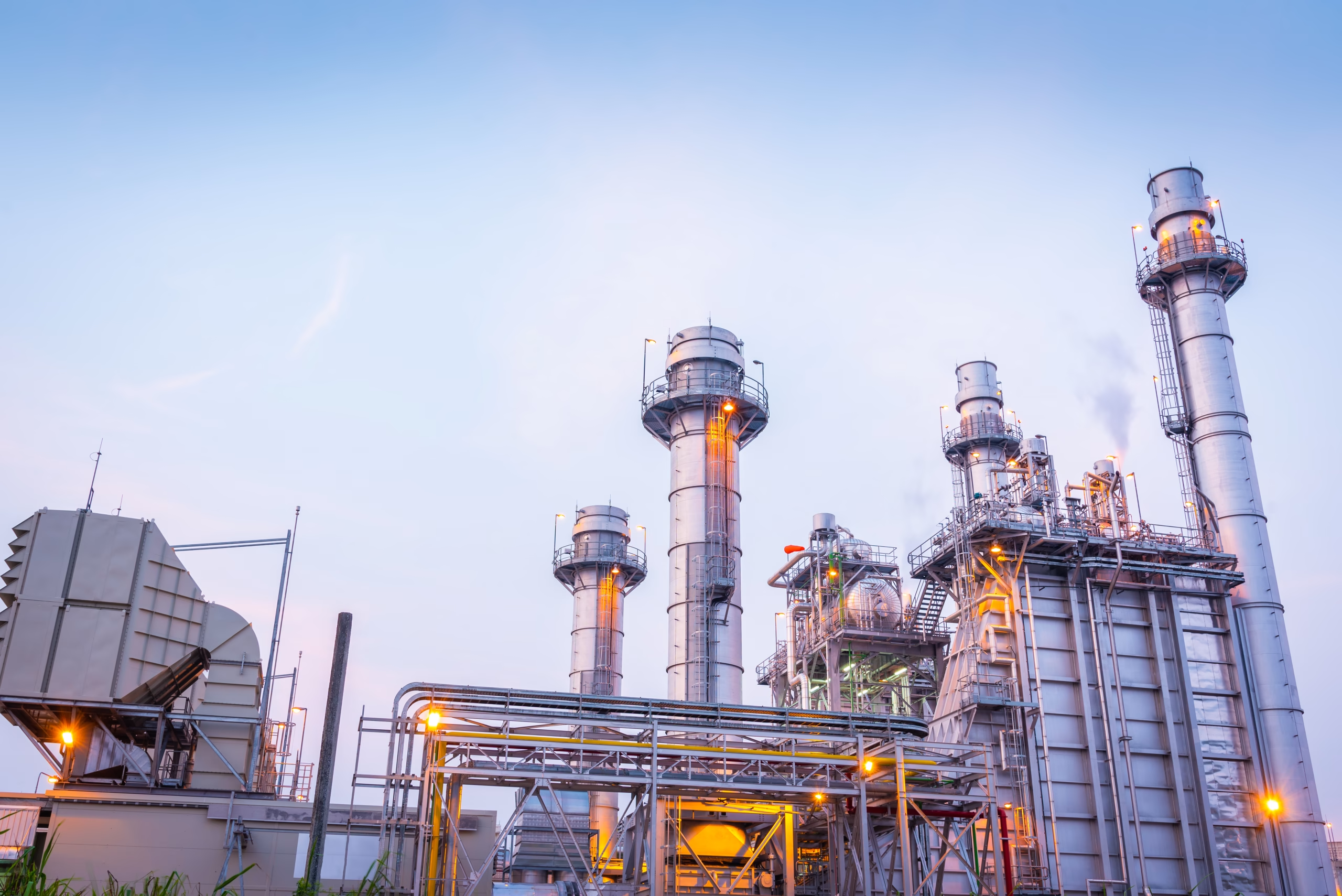
Within Maryland’s energy mix, natural gas is one of Maryland’s largest sources of electricity. Despite its significant role in electricity generation, Maryland produces very little natural gas and relies primarily on supplies transported through interstate pipelines from areas in the Appalachian region. While natural gas reserves exist in Western Maryland, hydraulic fracking has been banned statewide since 2017, limiting in-state production.