


Waste-to-Energy
What is it?
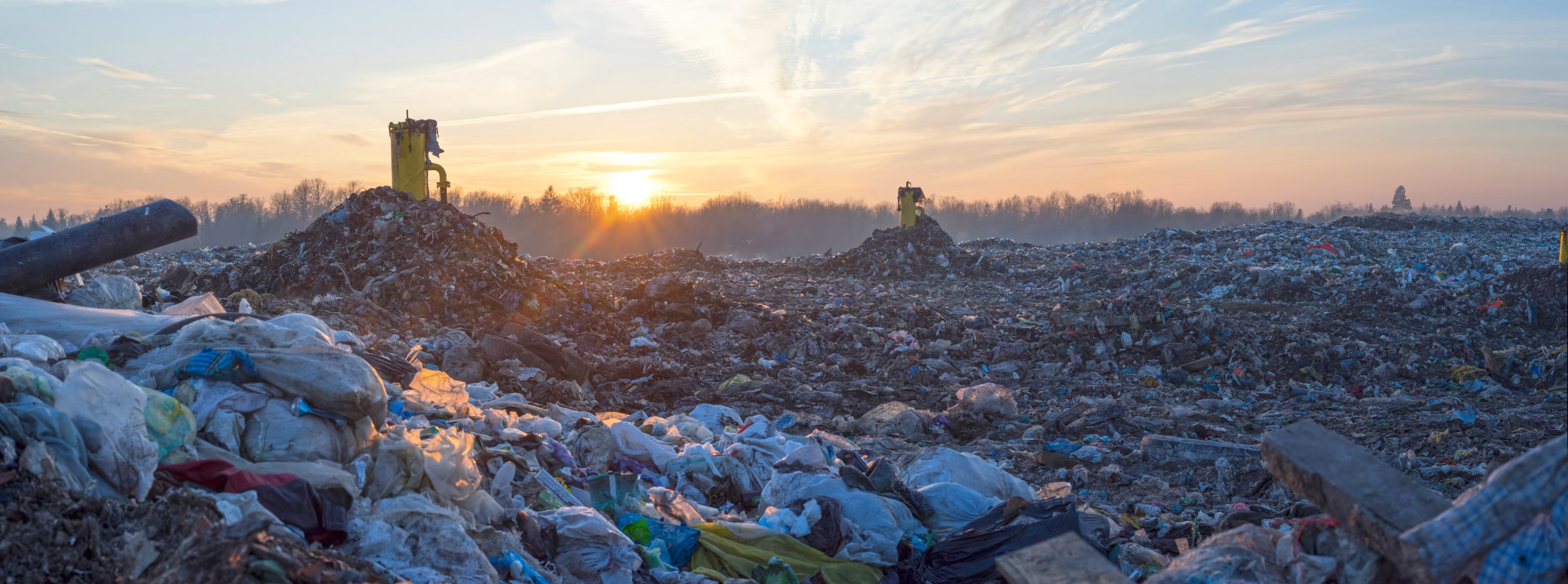
Waste-to-Energy (WTE) transforms post-recycled municipal solid waste and organic waste streams into usable heat, renewable electricity, and sustainable fuels. By leveraging diverse conversion methods, including combustion, anaerobic digestion, gasification, and landfill gas recovery, WTE converts waste products into local energy resources while diverting materials from landfills.
Generation & Environmental Impact
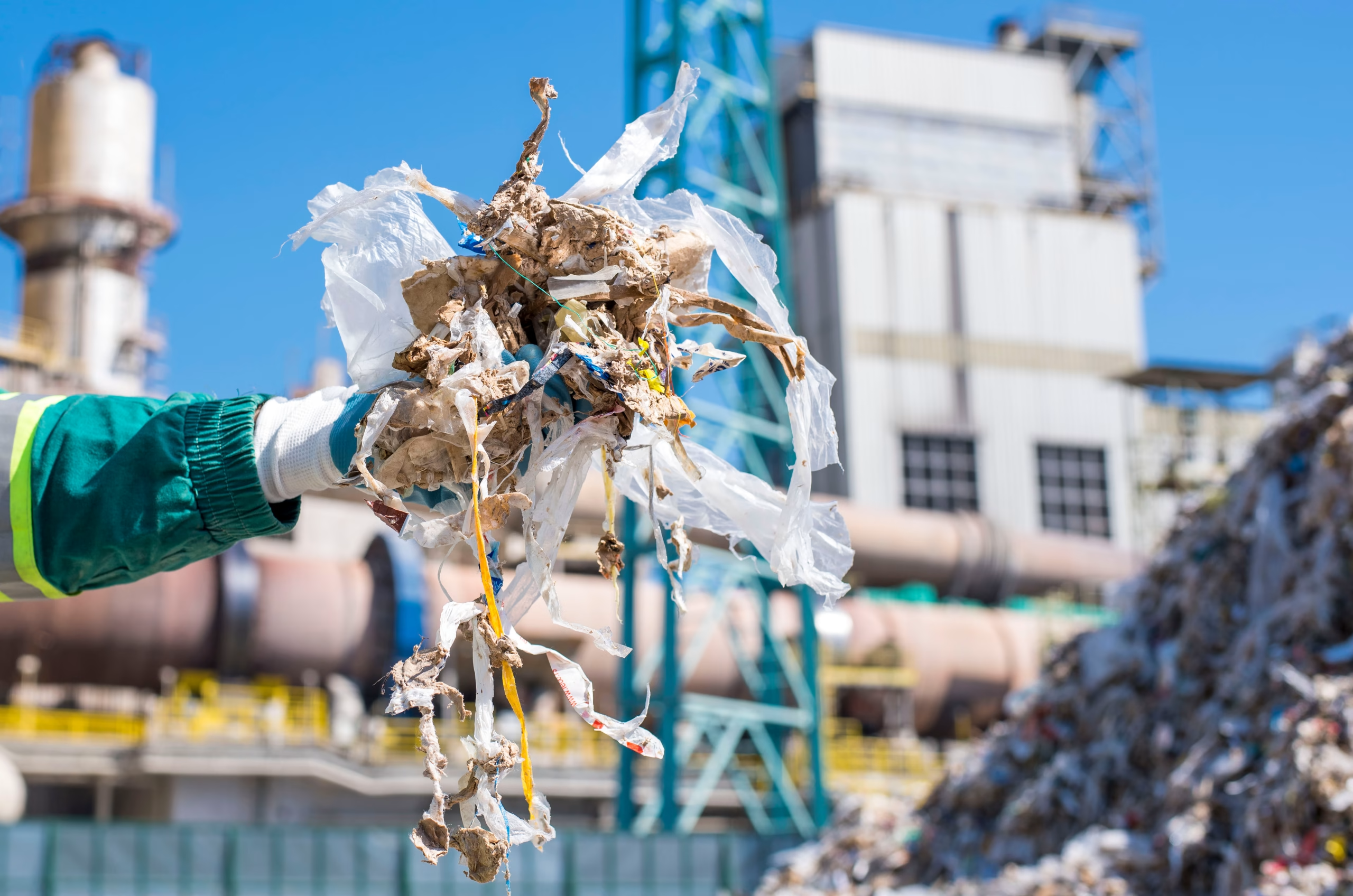
WTE facilities process non-recyclable solid waste or organic materials to drive steam turbines, produce renewable natural gas (RNG), or create bio-based products. Advanced facilities operate under strict Maryland Department of the Environment (MDE) oversight to protect public health and maintain air quality standards.
- Landfill Diversion & Volume Reduction: Drastically reduces the volume of municipal solid waste sent to regional landfills.
- Emissions Reduction: Offsets fossil fuel consumption and decreases greenhouse gas emissions compared to traditional landfill methane releases.
- Resource Recovery: Captures thousands of tons of metals annually from post-combustion streams for recycling, while anaerobic systems convert agricultural and food waste into clean energy and soil amendments.
Fitting Into the Energy Mix
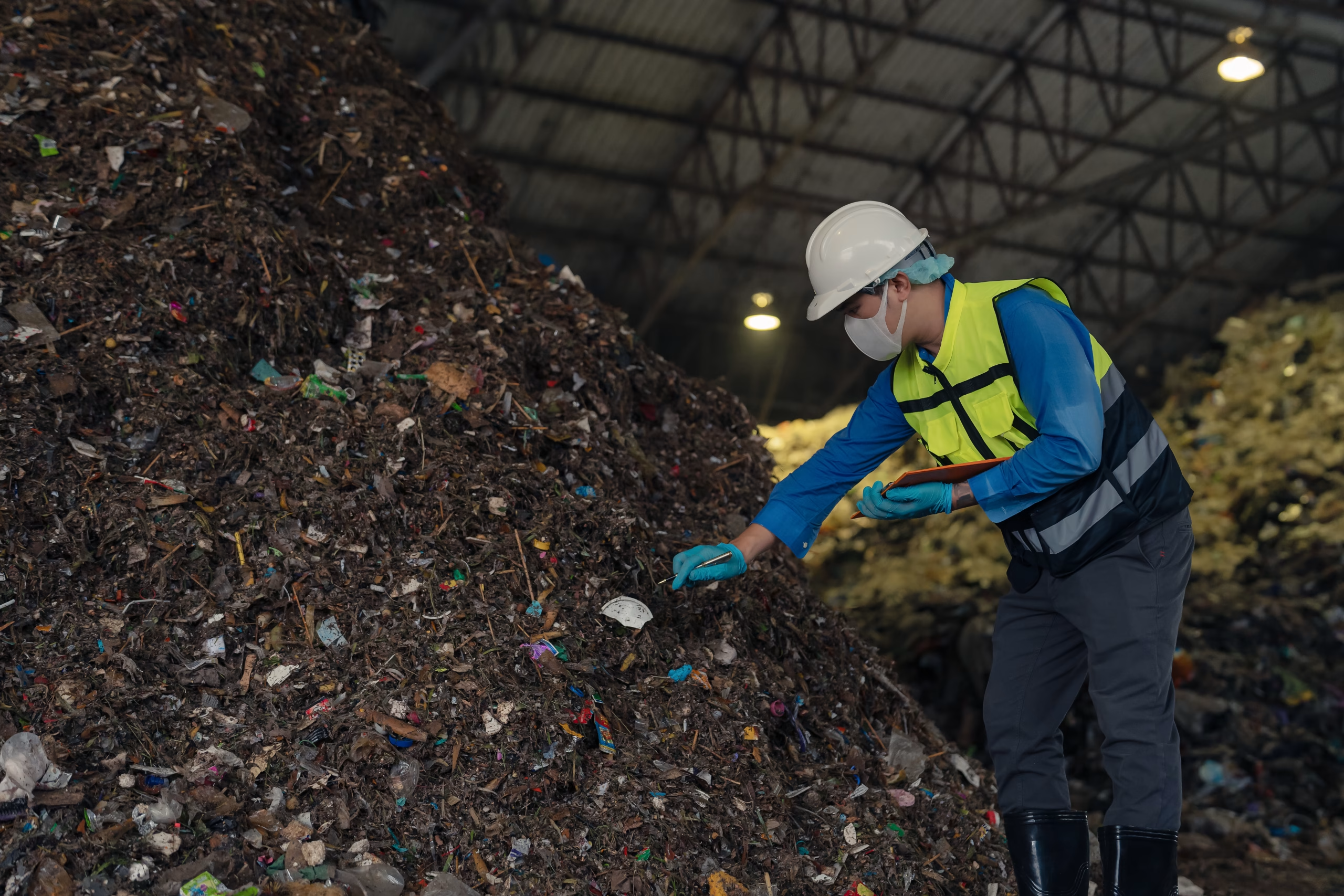
Waste-to-energy serves as a consistent, baseload power source and waste management strategy across Maryland. Key operations—such as the WIN Waste facility in Baltimore and the Montgomery County Resource Recovery Facility—process hundreds of thousands of tons of waste each year, generating power for tens of thousands of homes. Complementing thermal facilities, innovative Maryland companies are advancing anaerobic digestion and biorefinery technologies to process municipal bio-solids and poultry industry waste into RNG and soil products, driving circular economy solutions across the state.