


EV Information
Save with EV
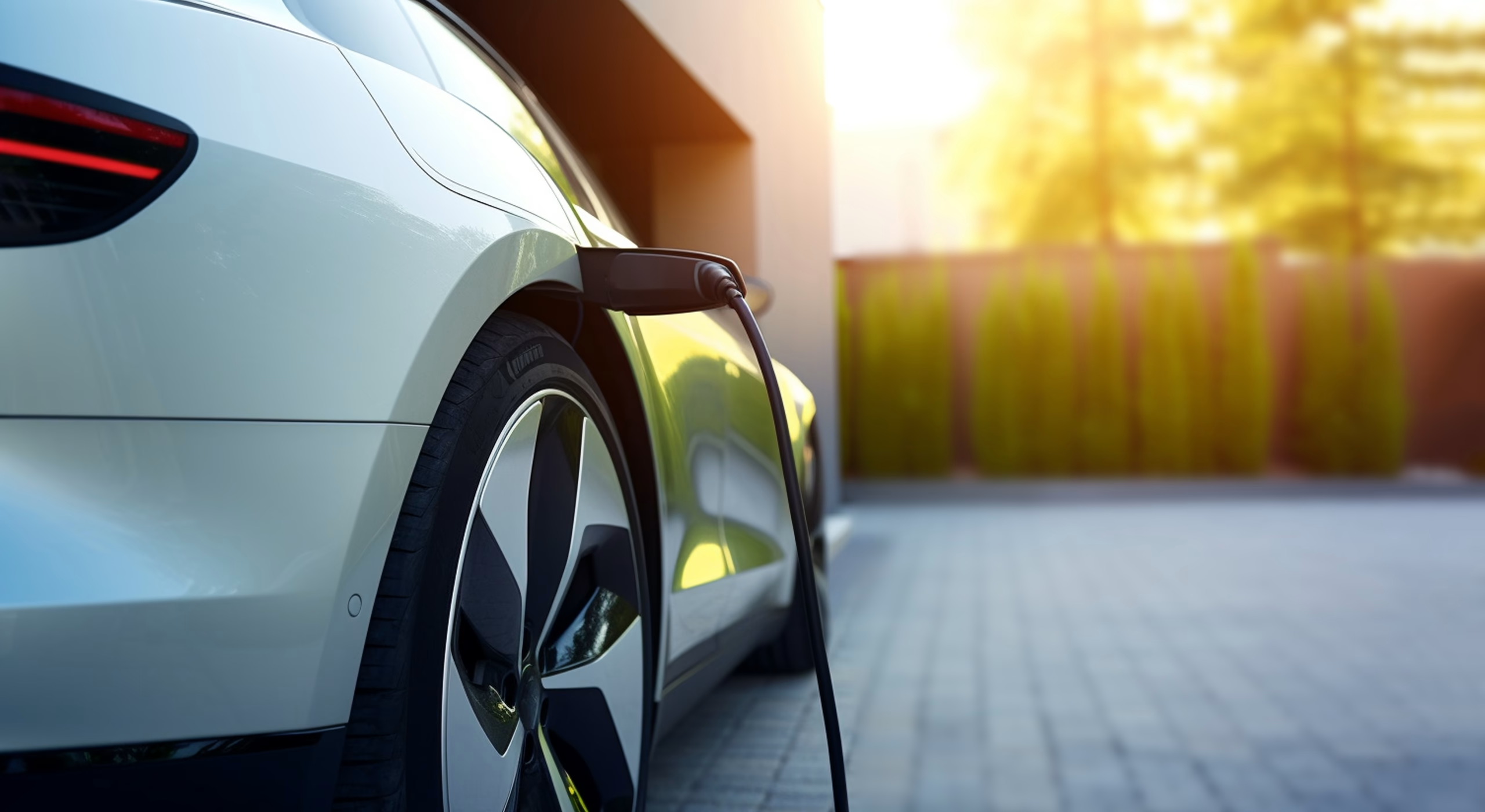
According to a June 2023 Consumer Reports factsheet, driving an EV can save you between $6,000 to $12,000 over the vehicle’s lifetime compared to a gas-powered vehicle. The average EV driver will spend 60% less to power their vehicle and spend half as much to repair and maintain their EV than owners of gas-powered vehicles.
Marylanders charging their EVs at home are paying approximately 15 cents per kWh. With home charging at this price, you could travel 100 miles in an EV for $5.21. In comparison, traveling 100 miles in a conventional car would cost $13.65, over 2.5 times more than the EV, assuming $3.50 per gallon gasoline price.
Fuel Savings
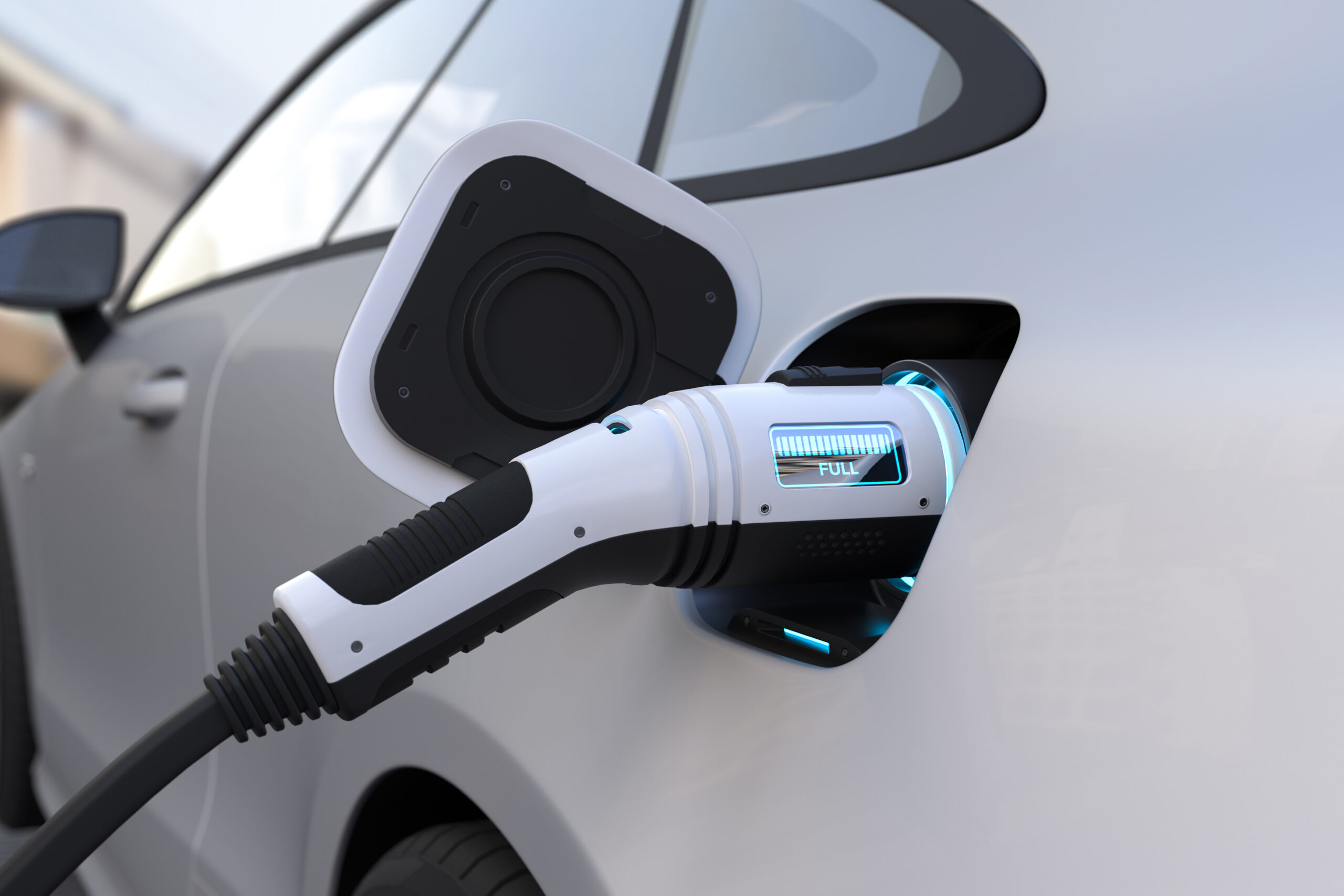
Electric vehicles can help reduce your transportation costs by replacing gasoline with electricity. Because electricity generally costs less than gasoline, many EV owners spend less to drive the same distance. Charging at home can also provide a convenient and predictable way to fuel your vehicle, especially when charging overnight.
Your actual savings will depend on several factors, including:
- The cost of electricity where you live.
- The price of gasoline.
- How much you drive.
- Whether you charge at home, at work, or at public charging stations.
Many drivers find that switching to an EV lowers their monthly fuel expenses while reducing trips to the gas station.

Long-Term Cost Savings
While the purchase price of an electric vehicle may be higher than some gasoline-powered vehicles, lower operating and maintenance costs can help reduce the total cost of ownership over time. Electric vehicles have fewer moving parts than conventional vehicles, which can mean fewer repairs and lower maintenance expenses throughout the life of the vehicle.
Many EV owners may also save money through:
- Lower fuel costs compared to gasoline.
- Reduced routine maintenance, including fewer oil changes and engine-related services.
- Longer-lasting brakes due to regenerative braking, which helps reduce brake wear.
- Available federal, state, utility, and local incentives that can help offset the cost of purchasing a vehicle or installing home charging equipment.
Types of EVs & Chargers
| Level 1 | Level 2 | Level 3 | |
|---|---|---|---|
| Connector Type | J1772 connector | J1772 connector | CCS connector CHAdeMO connector Tesla connector |
| Voltage | 120 V AC | 208 – 240 V AC | 400 V – 1000 V DC |
| Typical Power Output | 1 kW | 7 kW – 19 kW | 50 – 350 kW |
| Estimated PHEV Charge Time from Empty | 5 – 6 hours | 1 – 2 hours | N/A |
| Estimated BEV Charge Time from Empty | 40 – 50 hours | 4 – 10 hours | 20 minutes – 1 hour |
| Estimated Electric Range per Hour of Charging | 2 – 5 miles | 10 – 20 miles | 180 – 240 miles |
| Typical Locations | Home | Home, Workplace, and Public | Public |
EV Maintenance

MYTH: EV batteries need to be replaced every few years.
FACT: EV batteries are designed to last the expected lifespan of the vehicle and are backed by manufacturer warranties.

MYTH: EVs require more maintenance than gasoline vehicles.
FACT: EVs generally require less routine maintenance because they have fewer moving parts and do not require oil changes.

MYTH: EVs do not work well in cold weather.
FACT: Cold weather can temporarily reduce driving range and increase charging times, but many EVs include features such as battery preconditioning to improve winter performance.
MYTH: There are not enough places to charge an EV.
FACT: Charging infrastructure continues to expand, with home charging, workplace charging, and public charging stations available throughout Maryland and across the country.

MYTH: EVs are slow.
FACT: Electric motors provide instant torque, allowing many EVs to accelerate quickly and deliver responsive performance.
Resources
Find EV cost calculators, charging station locators, useful links, and Maryland state programs to support your zero-emission vehicle journey. Visit the Maryland EV website to learn more.