


Electric Vehicles
Save on Fuel & Maintenance With an Electric Vehicle
Electric vehicles offer lower fuel and maintenance costs compared to gas-powered cars. Whether you are looking at a fully electric vehicle or a plug-in hybrid, Maryland and federal incentives can make the switch more affordable than you might expect.
Note: Please review intro copy.
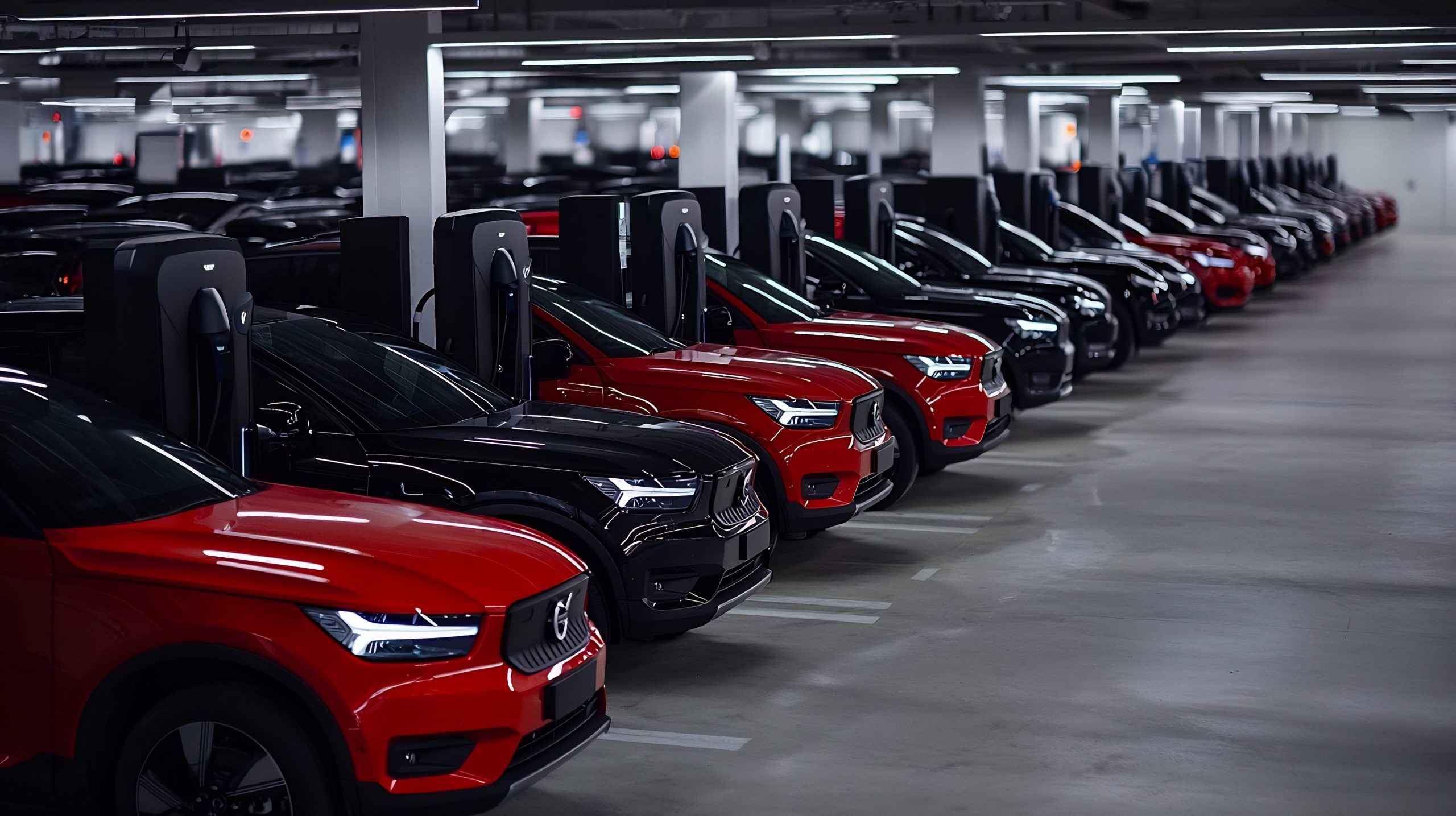
Electric vehicles, or EVs, run on electricity instead of gasoline. They use electric motors and rechargeable batteries to power the vehicle, producing zero tailpipe emissions. Types of EVs include fully battery electric vehicles (BEVs) and plug-in hybrid electric vehicles (PHEVs), which combine an electric motor with a gasoline engine. EVs can be charged at home or at public charging stations.
A gasoline car relies on a fuel pump, tank, and combustion engine to move. An electric car uses a plug, rechargeable battery pack, electronic controller, and electric motor — fewer moving parts means less maintenance and lower long-term costs. EVs eliminate oil changes, have fewer brake replacements due to regenerative braking, and typically cost less per mile to operate than gas vehicles.
Note: Trying to use existing Gas vs. EV comparison diagram image here.
Most EV drivers do the majority of their charging at home overnight. Level 1 chargers use a standard household outlet and require no special installation, making them convenient if your vehicle sits overnight, though they are the slowest option. Level 2 chargers require a 240-volt outlet and professional installation but can fully charge most EVs in four to six hours, making them the most practical choice for home use. DC Fast Chargers are the fastest option but are typically found at public charging stations rather than homes.
Maryland and the federal government offer meaningful financial incentives for EV purchases and home charger installation. You may be eligible for up to $7,500 in federal tax credits for a qualifying new EV or plug-in hybrid under the Inflation Reduction Act. Maryland offers a $3,000 excise tax credit for qualifying zero-emission plug-in electric or fuel cell vehicles. An HOV permit is also available for EV drivers regardless of the number of passengers. Individual Maryland utilities including Pepco, BGE, Delmarva, Potomac Edison, and SMECO offer additional rebates of up to $700 per person for EV charger installation.
Cold temperatures can temporarily reduce an EV’s range and increase charging times. Precondition your car while it is still plugged in to warm the battery and cabin before you drive, use heated seats and steering wheel instead of the full cabin heater where possible, and keep the battery charged above 20% in cold weather. Modern EVs are designed to handle Maryland winters well, and range impact is typically modest for most daily driving needs.

Ready to Explore EV Incentives?
Maryland and federal programs can significantly reduce the upfront cost of going electric. Explore what’s available for your situation.